That bumpy texture overhead dates your home, traps dust, and makes every room feel dimmer than it should. And if your place was built before the early 1990s, there's a real chance it contains asbestos. Here's what safe removal actually looks like, and why this is one job we'd tell our own families not to DIY.
Why popcorn went up in the first place
From the 1950s through the 1980s, sprayed texture was the fastest, cheapest way to finish a ceiling. It hid taping flaws, deadened sound a little, and let builders skip the careful finishing work a smooth ceiling demands. Nobody chose it because it was beautiful. They chose it because it was Tuesday and the drywallers were behind schedule.
The problem is that texture collects dust and cobwebs, scatters light in a way that makes rooms feel lower and darker, and instantly tells buyers how long it's been since the home was updated.
The asbestos question you can't skip
Until 1990, asbestos was a common ingredient in texture coatings across BC. You cannot tell by looking. The only way to know is a lab test, which is quick and inexpensive, and it's the very first step on every popcorn removal project we take on.
If the test comes back positive, the texture has to be handled by a licensed abatement contractor under WorkSafeBC rules before we do our part. If it's clean, we proceed ourselves. Either way, please don't dry-scrape an untested ceiling. Disturbing asbestos releases fibres into the air your family breathes, and no weekend project is worth that.
How proper removal actually works
Once the ceiling is cleared for work, the job is more about protection and finishing than scraping:
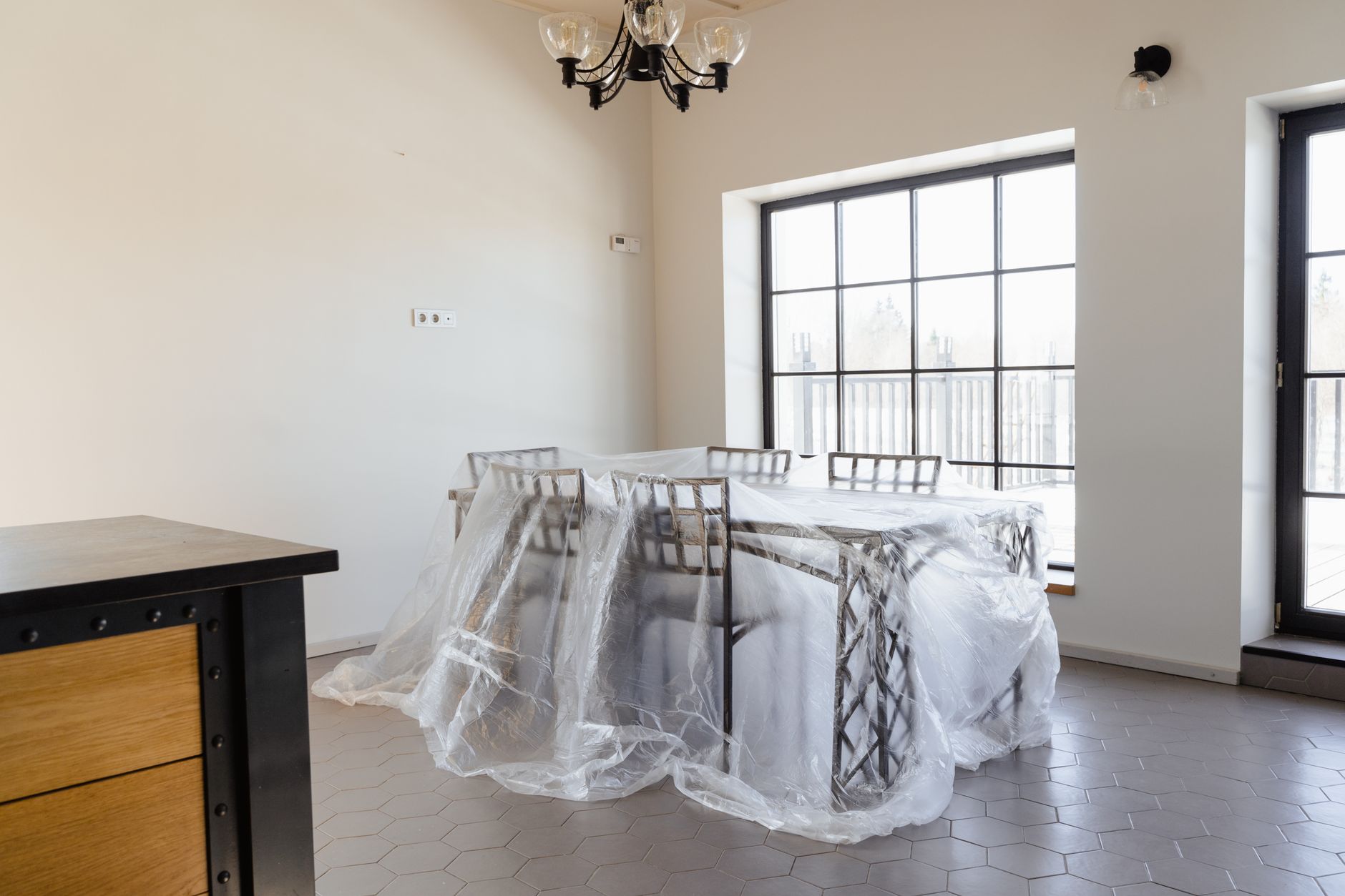
- Everything gets sealed. Floors, walls, and cabinetry disappear under plastic sheeting and tape before a single scrape.
- The texture is misted with water so it comes off in soft sheets instead of dust.
- The bare drywall gets skim-coated, because texture was usually hiding rough taping underneath.
- We sand, prime, and paint, leaving you a flat, bright, modern ceiling.
That skim coat step is where experience shows. Fifty-year-old ceilings hide cracks, gouges, and old water stains, and fixing them properly is drywall repair work, not just painting. Our crews handle both, so nothing gets painted over that should have been fixed.
Condos, apartments, and commercial ceilings
A big share of our popcorn work happens in the concrete towers and lowrises around Fairview and South Cambie, where 1970s and 80s buildings are full of textured ceilings. Condo jobs add strata notices, elevator bookings, and dust control in shared hallways, all of which we manage as part of the job.
Offices and retail spaces have their own version of the problem, usually on tight timelines. Our commercial popcorn removal crews work nights and weekends so a business never has to close for its ceilings.
Is it worth it?
Few projects change how a home feels this much for this little. Rooms look taller, light spreads further, and the whole place reads twenty years newer. Realtors tell us smooth ceilings consistently help at listing time, and living under them is just nicer.
If you're curious what your ceilings would cost, request a free estimate. We'll measure, arrange the asbestos test if your home's age calls for it, and give you a straight answer with no pressure.